Fab Journal · Busking archive
2018 — Dea Matrona busking on Grafton Street
A photographic memory of three young musicians performing in the middle of Dublin—before albums, international tours and much larger stages.
Some photographs begin with a plan. Others begin because something makes you stop.
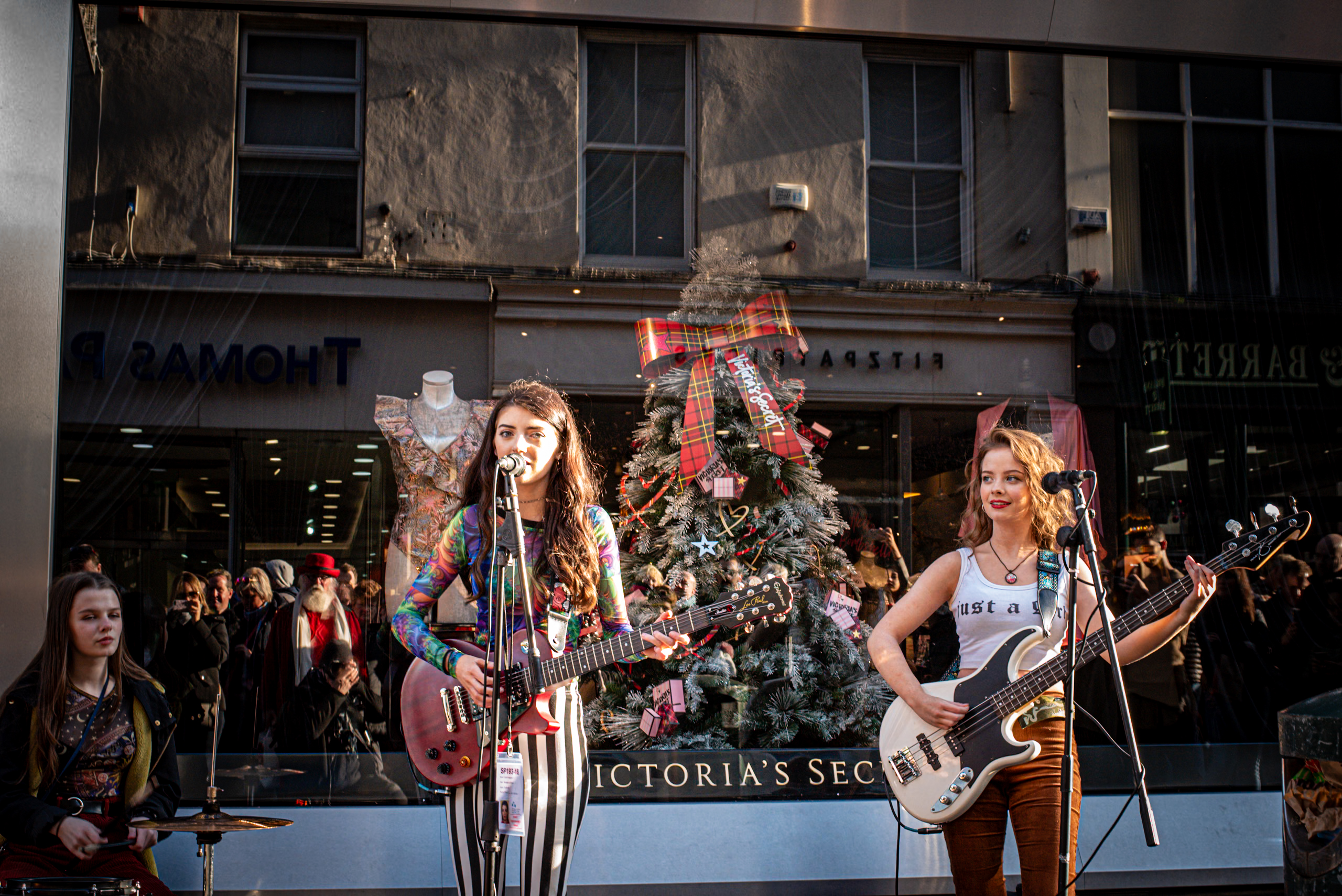
On 28 November 2018, that something was Dea Matrona performing on Grafton Street in Dublin.
Grafton Street is rarely quiet. Shoppers pass between stores, commuters cross the city, tourists look for landmarks, and street performers try to hold the attention of people who may only remain for a few seconds.
In the middle of all that movement, Dea Matrona created their own stage.
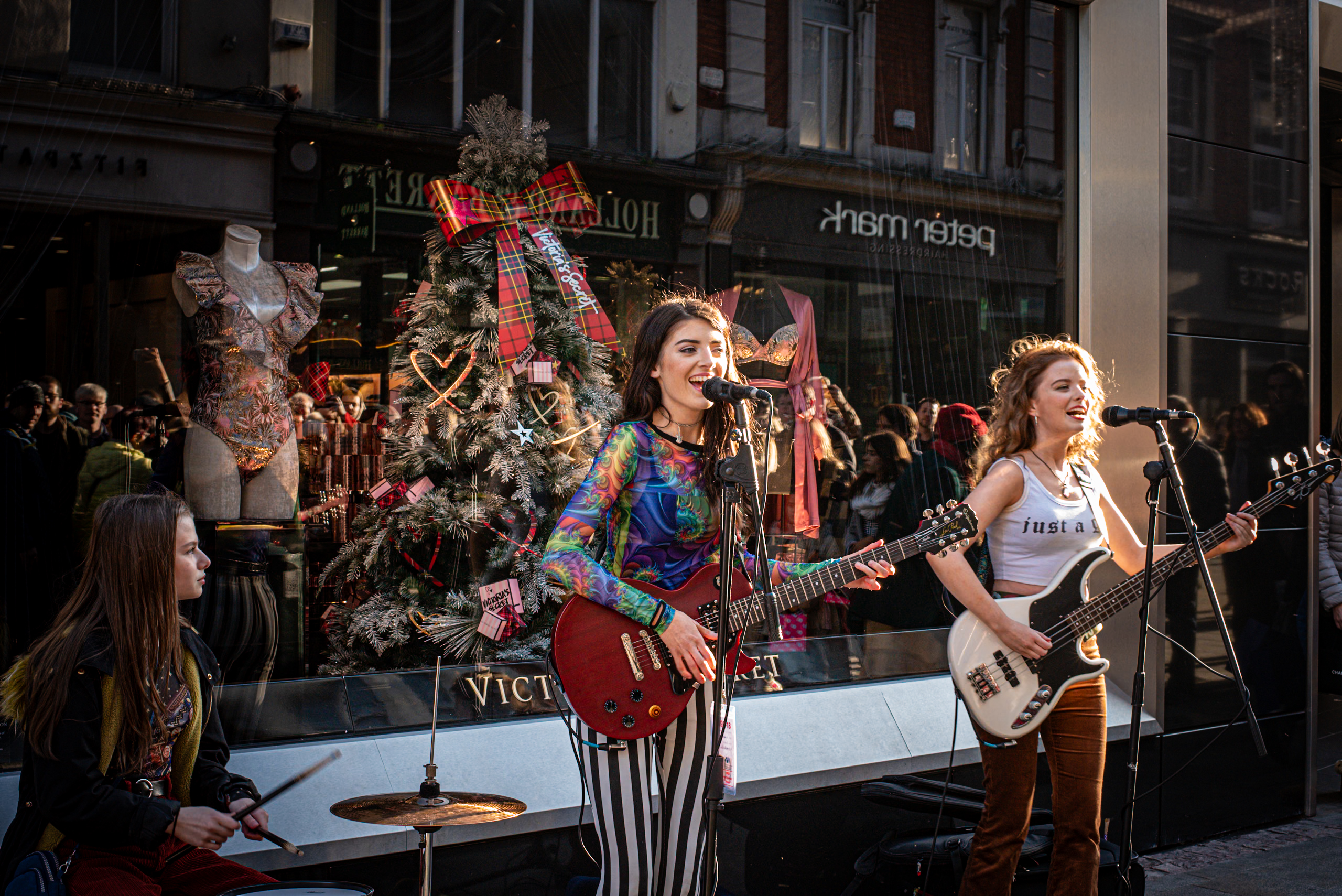
At the time, the group featured Mollie McGinn, Orláith Forsythe and Mamie McGinn. They were young musicians playing pop and rock songs with an energy that immediately caught my attention.
There was no concert venue, dramatic lighting or distance between the band and the audience. They were performing directly in front of people passing through the city.
That closeness made the moment feel honest.
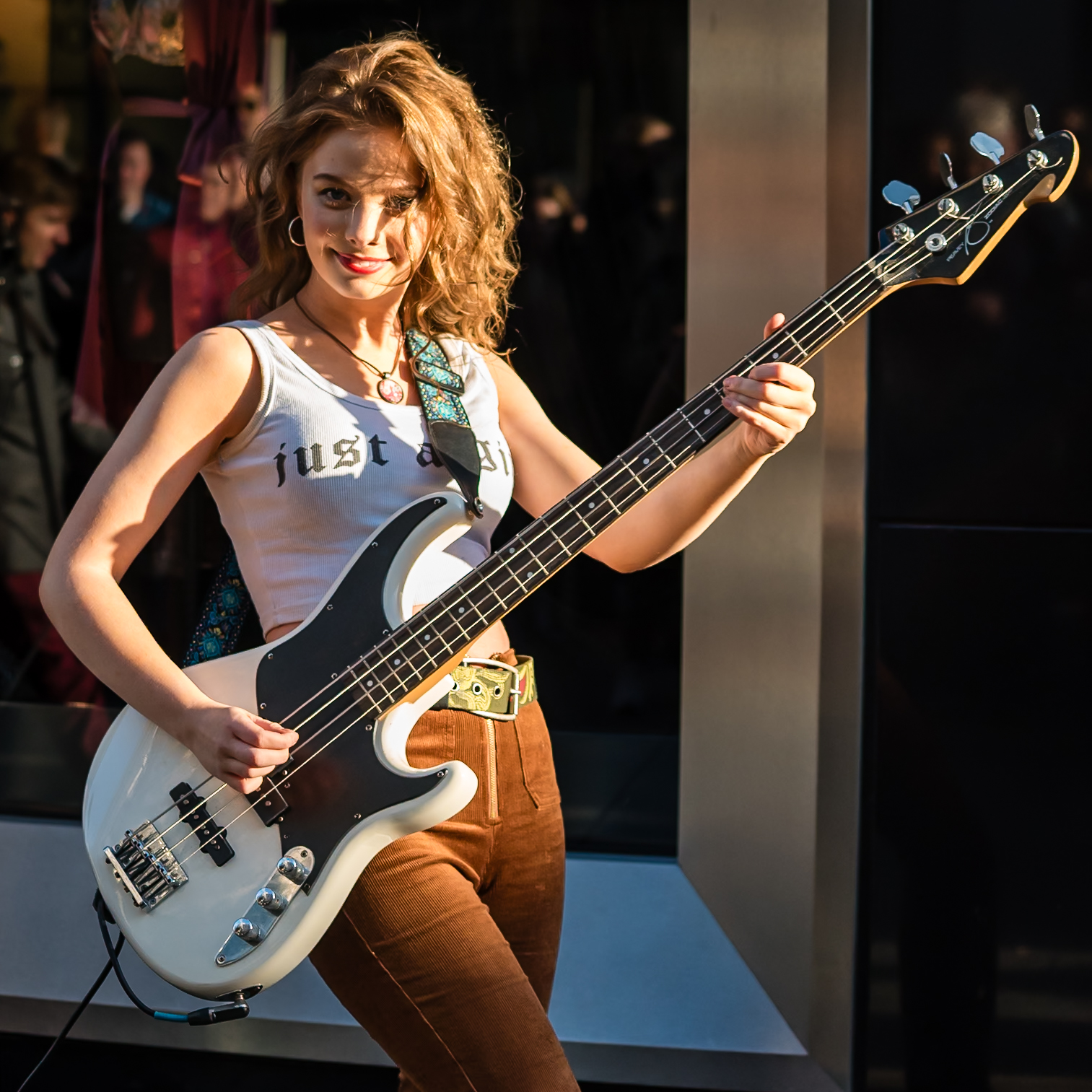
When the street becomes a stage
A formal concert comes with a clearly defined space. The musicians are on a stage, the audience faces them, and the lighting has been designed around the performance.
Busking is completely different.
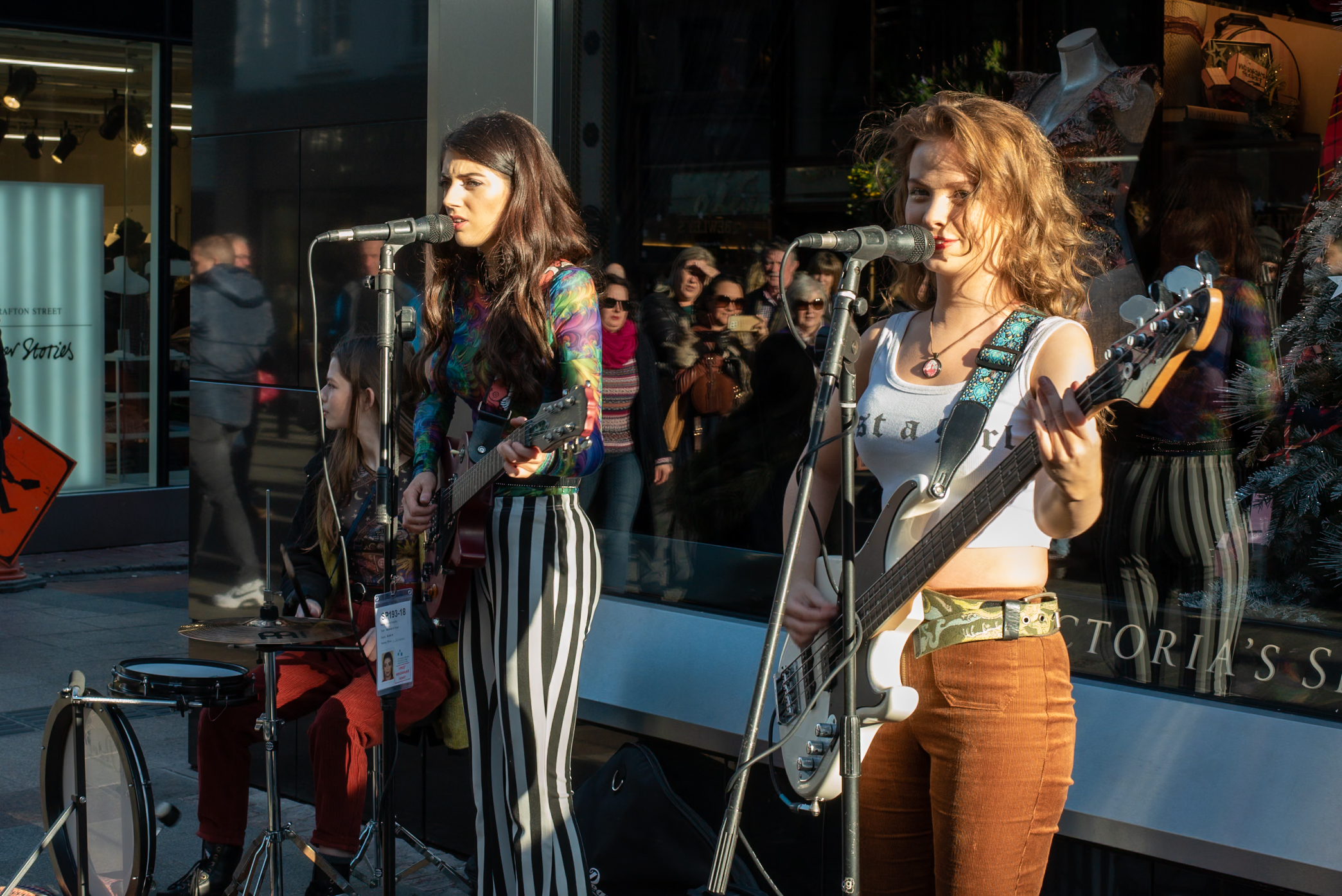
The street does not stop when the music begins. People continue walking through the scene. Shopfronts, winter coats, shopping bags and passing faces all become part of the photograph.
Nothing is fully controlled.
For a photographer, that can make the work more difficult—but it also makes the photographs more alive. I am not trying to remove the city from the image. The city is part of the story.
When Dea Matrona performed on Grafton Street that November day, the music existed alongside everyday Dublin life. Some people stopped to listen. Others continued walking. The band had to create enough energy to make strangers turn around and stay for another song.
The photographs record more than the musicians. They also preserve the atmosphere surrounding them.
The authenticity of busking
There is something particularly authentic about street performance.
A busker cannot rely on the separation created by a stage. The audience is close, its reactions are immediate, and nobody is obliged to remain.
People may stop for an entire song, listen for a few seconds or walk past without appearing to notice. The artist still has to remain present.
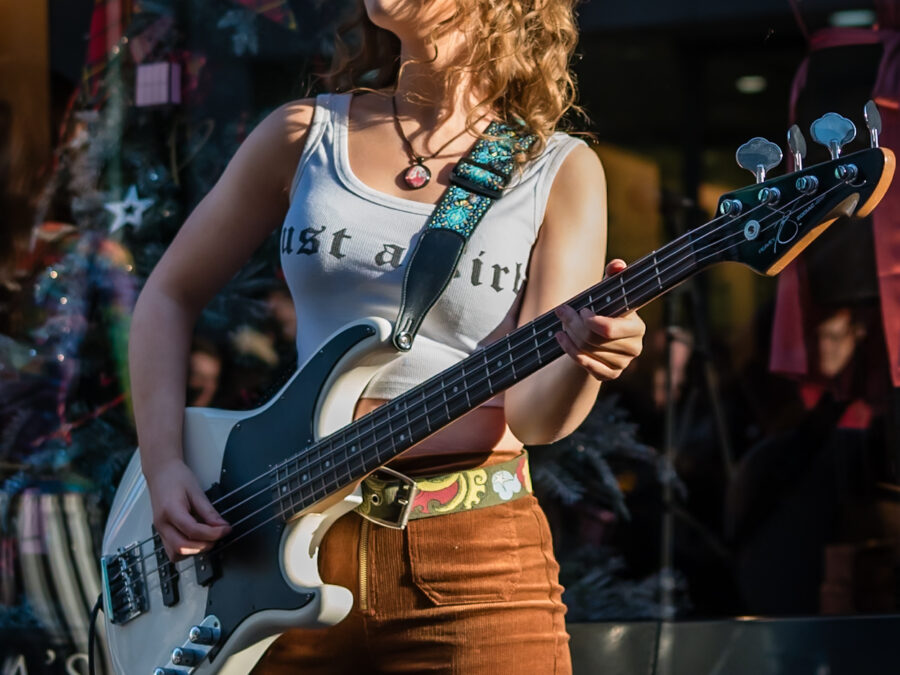
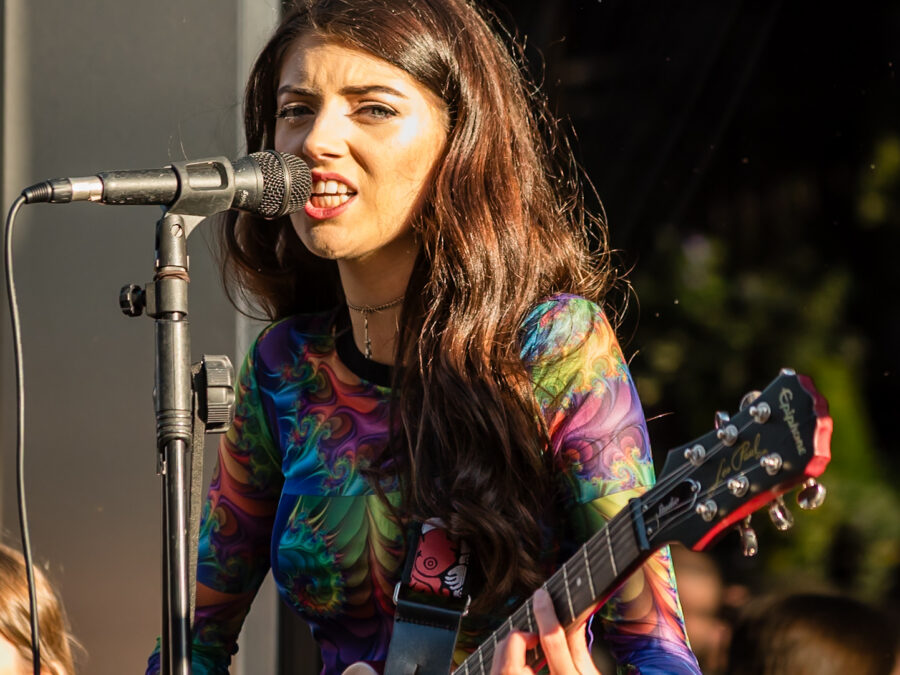
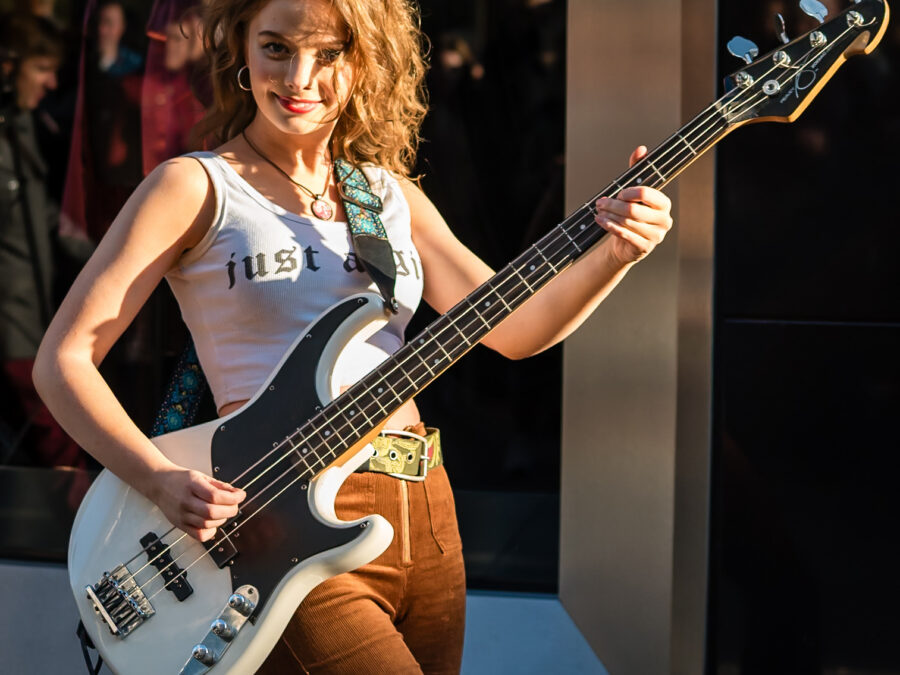
As a photographer, I am drawn to the small moments inside the performance: concentration, movement, a glance between musicians or the reaction of someone who has unexpectedly stopped to listen.
These moments are difficult to stage because they belong to the performance itself.
With Dea Matrona, the connection between the musicians was already visible. They played with confidence and looked completely comfortable performing in the middle of a busy street.
The pavement may have been their stage, but the performance never felt small.
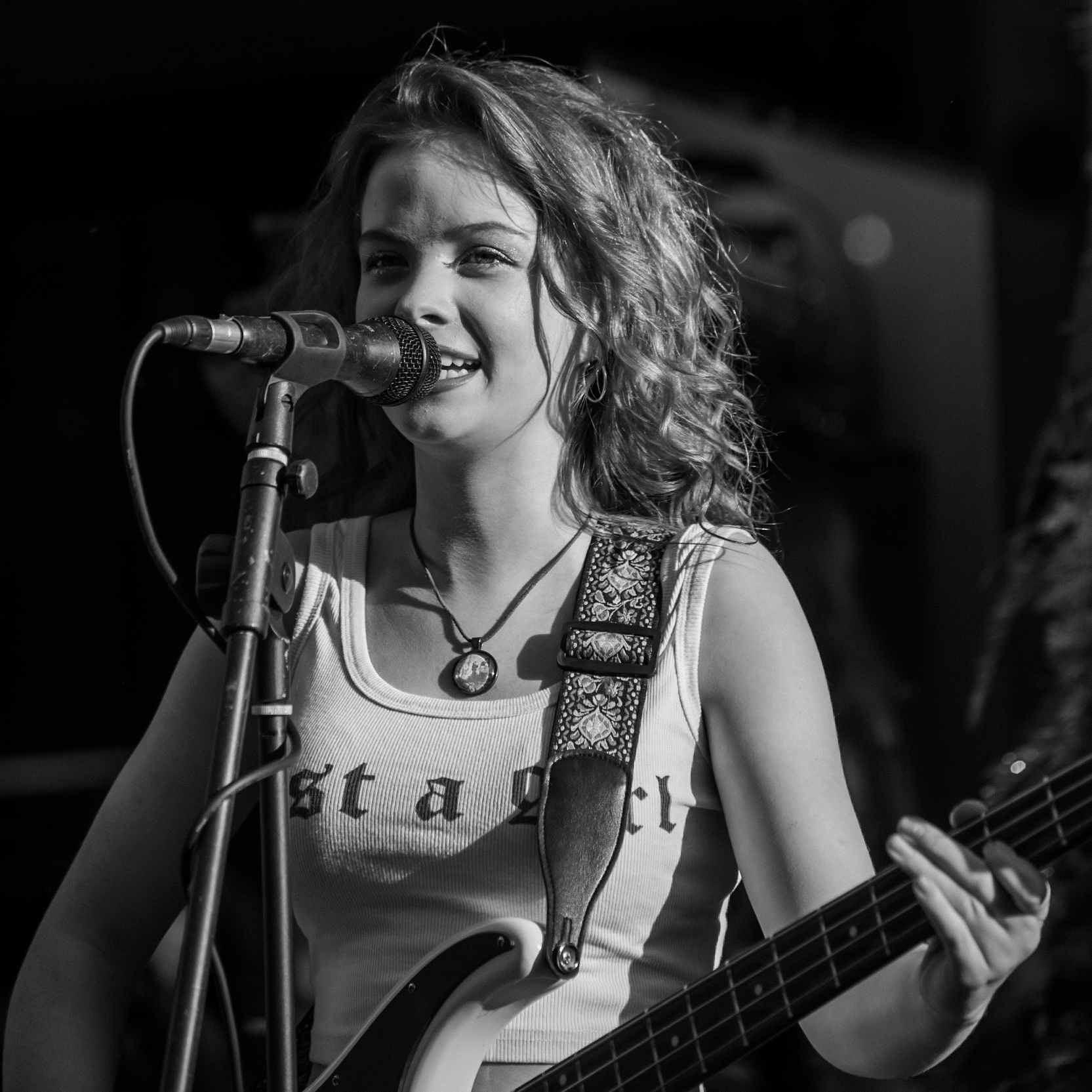
Photographing without changing the moment
When I photograph buskers, I do not want to interrupt or direct them.
I am not asking an artist to repeat a movement or turn towards the camera. I prefer to watch the performance, anticipate what may happen and wait for an expression or composition that tells the story.
This is what I enjoy about documentary photography.
The background may be busy. Someone may walk unexpectedly into the frame. The best expression may last less than a second.
Those imperfections are part of street photography.
A promotional portrait can be carefully planned later. A busking performance only exists in one place, at one time, with the particular audience that happened to be there.
When the song ends and the crowd moves away, the scene disappears. Photography allows a small part of it to remain.
Photographs from Grafton Street
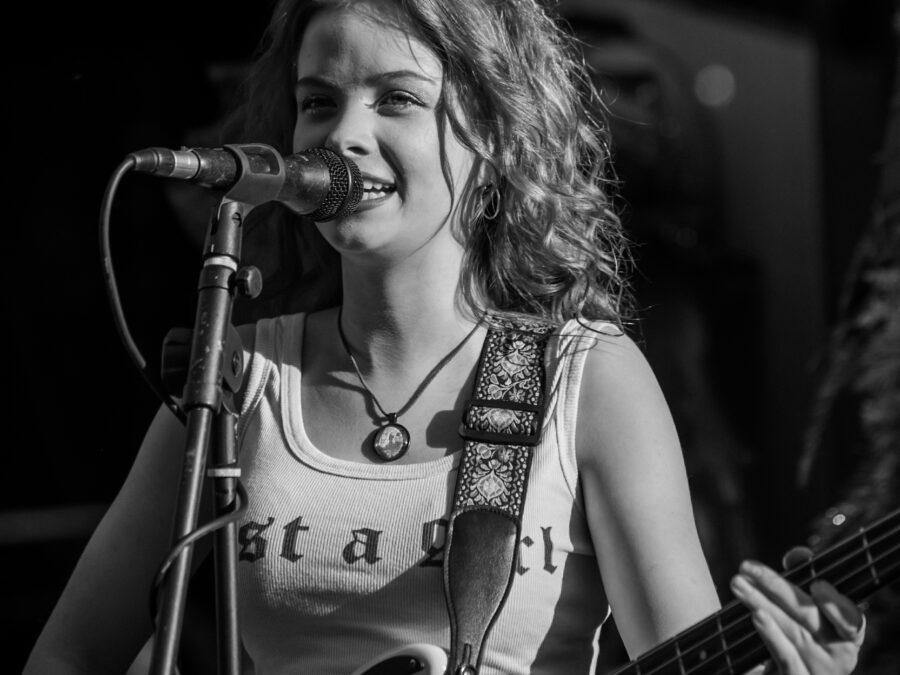
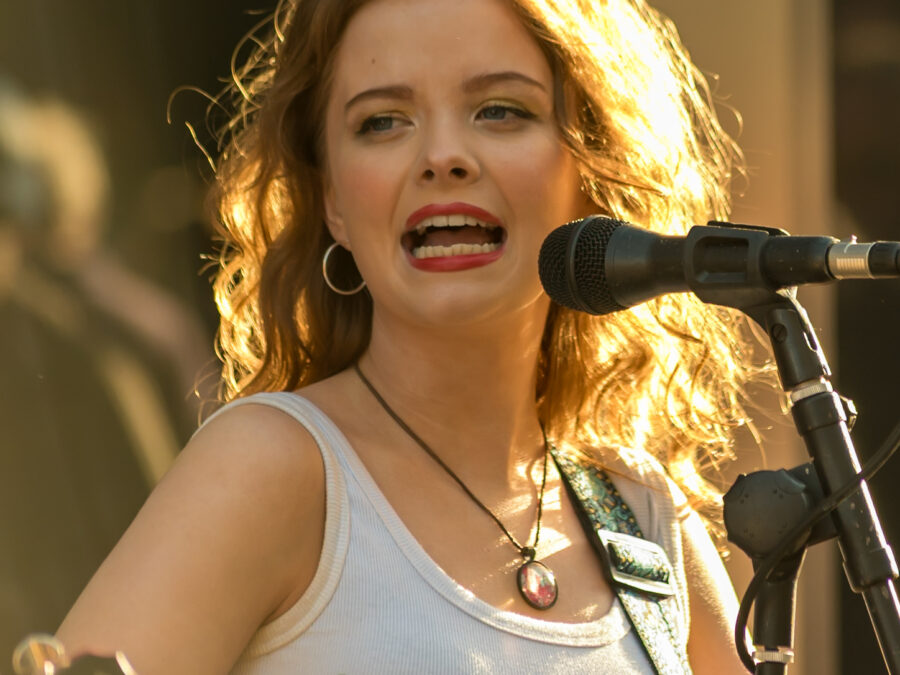
These photographs capture Dea Matrona busking on Grafton Street in Dublin on 28 November 2018. The gallery focuses on the energy of the performance, the connection between the musicians and the atmosphere of the street around them. Rather than formal portraits, the images document a real moment in the band’s early journey.
Grafton Street and its performers
Grafton Street has long been associated with musicians and street performers.
For visitors, it is one of the places where Dublin’s musical life becomes visible without entering a venue. A voice, a guitar or the sound of a crowd gathering can completely change the atmosphere of the street.
Every performer creates a different version of the same place.
A solo acoustic musician may make it feel quiet and intimate. A rock band can fill the street with movement and make a temporary concert venue out of a section of pavement.
Dea Matrona brought that larger energy. Their pop-rock sound, confidence and interaction gave the performance the feeling of something already moving beyond an ordinary busking session.
Sometimes an artist does not need a traditional stage to create a memorable live moment. Sometimes the street is enough.
Eight years later
Photographs become more interesting with time.
When they are first taken, they simply record what is in front of the camera. Years later, they can become part of a much bigger story.
When I photographed Dea Matrona in 2018, they were near the beginning of their journey. Busking was an important part of how they developed as performers and introduced themselves to an audience.
Today, Dea Matrona continue around the musical partnership of Orláith Forsythe and Mollie McGinn. Their early street performances and online videos helped their music reach listeners far beyond Belfast and Dublin.
The band went on to release albums, tour internationally and perform on much larger stages.
Looking back at my photographs now, I see more than a street performance. I see young musicians learning how to hold an audience before the larger venues and international tours arrived.
There was no large stage on Grafton Street that afternoon, but the confidence, energy and connection were already there.
Why I keep photographing buskers
Busking photography combines many of the things I enjoy most: music, movement, people and the unpredictability of the street.
There is always a sense that something may happen.
A crowd may slowly begin to form. A musician may become completely absorbed in a song. Two performers may exchange a quick glance. Someone passing by may stop unexpectedly and become part of the scene.
These moments cannot be completely planned. That is why they feel authentic.
When I photographed Dea Matrona on Grafton Street in November 2018, I was not creating a formal band portrait. I was documenting the energy of a real performance as it happened.
The city continued moving, but for a while, the music made people stop.
That is the moment I wanted to remember.
Discover and support Dea Matrona
Dea Matrona’s story continued far beyond the performance I photographed in 2018. Listen to their music, watch their latest videos and find current releases and tour information through their official channels.
In 2018, I photographed Dea Matrona performing for people passing along Grafton Street.
Eight years later, they have released albums, toured internationally and played for audiences far beyond Dublin.
That is part of what makes photographing buskers so special. You never fully know where the artist in front of your camera may go next.
Sometimes you are simply documenting a street performance. Sometimes, without realising it, you are photographing the beginning of a much larger story.
Frequently asked questions
Who were the members of Dea Matrona in 2018?
When I photographed the band on Grafton Street in November 2018, Dea Matrona featured Mollie McGinn, Orláith Forsythe and Mamie McGinn.
Where were these Dea Matrona photographs taken?
The photographs were taken on Grafton Street in Dublin, Ireland, during a street performance on 28 November 2018.
What became of Dea Matrona after their busking years?
Dea Matrona went on to release albums, tour internationally and perform on much larger stages, continuing around the musical partnership of Orláith Forsythe and Mollie McGinn.
Why do I enjoy photographing buskers?
Busking combines music, movement and documentary photography. The expressions, audience reactions and atmosphere are real, and the moment cannot be recreated in exactly the same way.
Artists photographedMollie McGinn, Orláith Forsythe and Mamie McGinn
LocationGrafton Street, Dublin, Ireland
Date28 November 2018
PhotographyFabrice Jolivet